

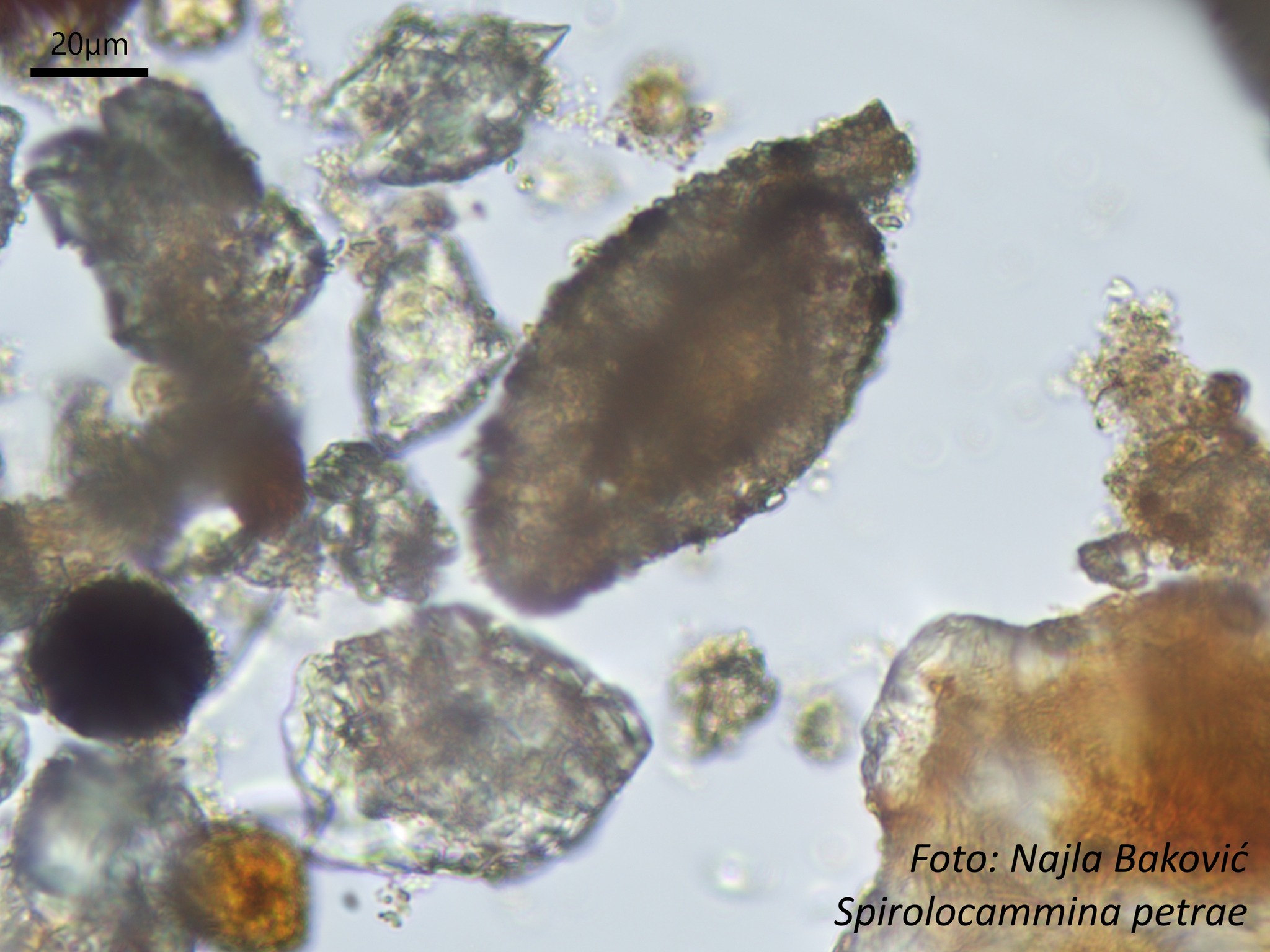
In Miljacka II cave, a species new to science has been described – Spirolocammina petrae, the first freshwater agglutinated tubothalamid foraminifer in the world
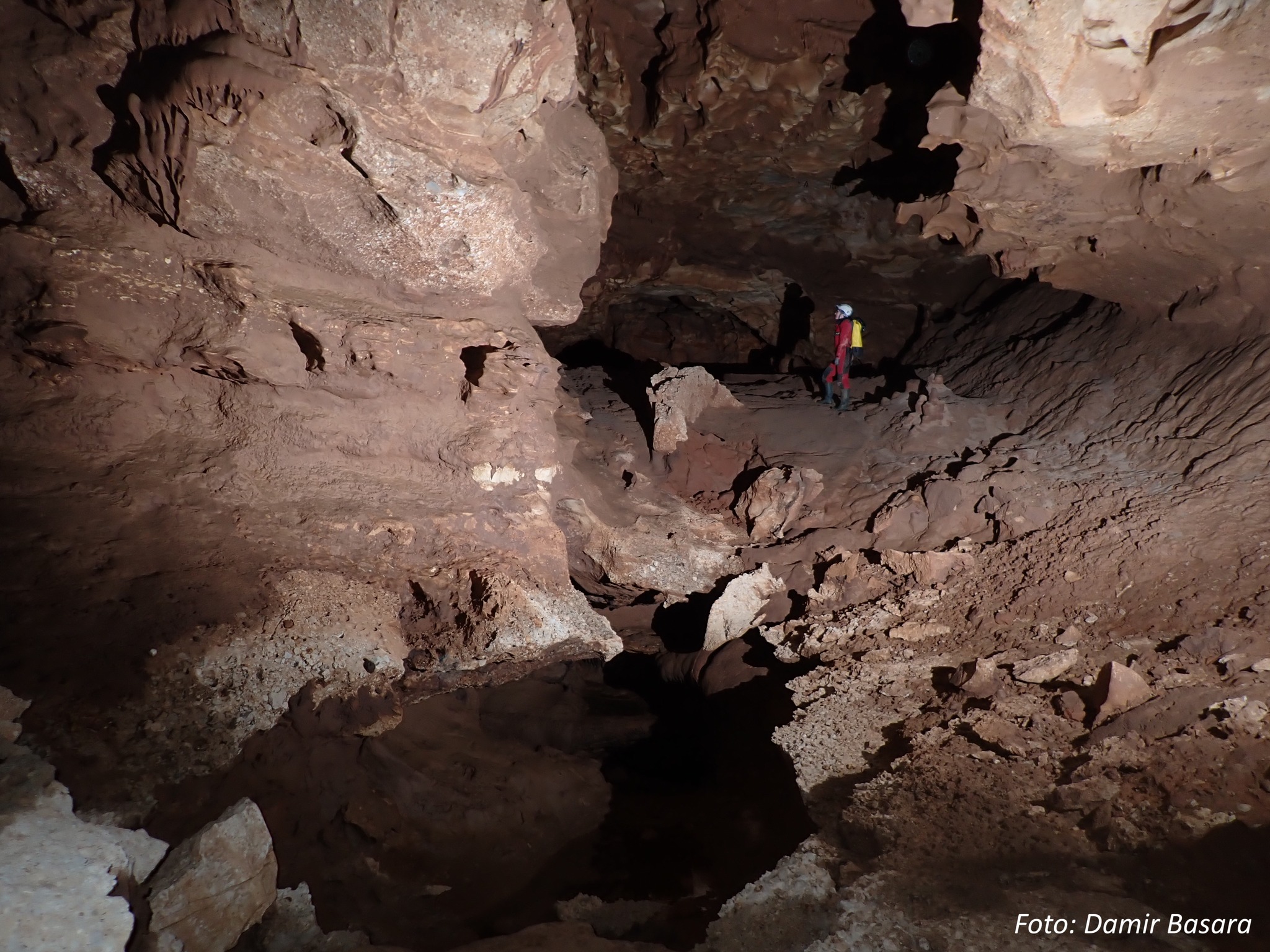
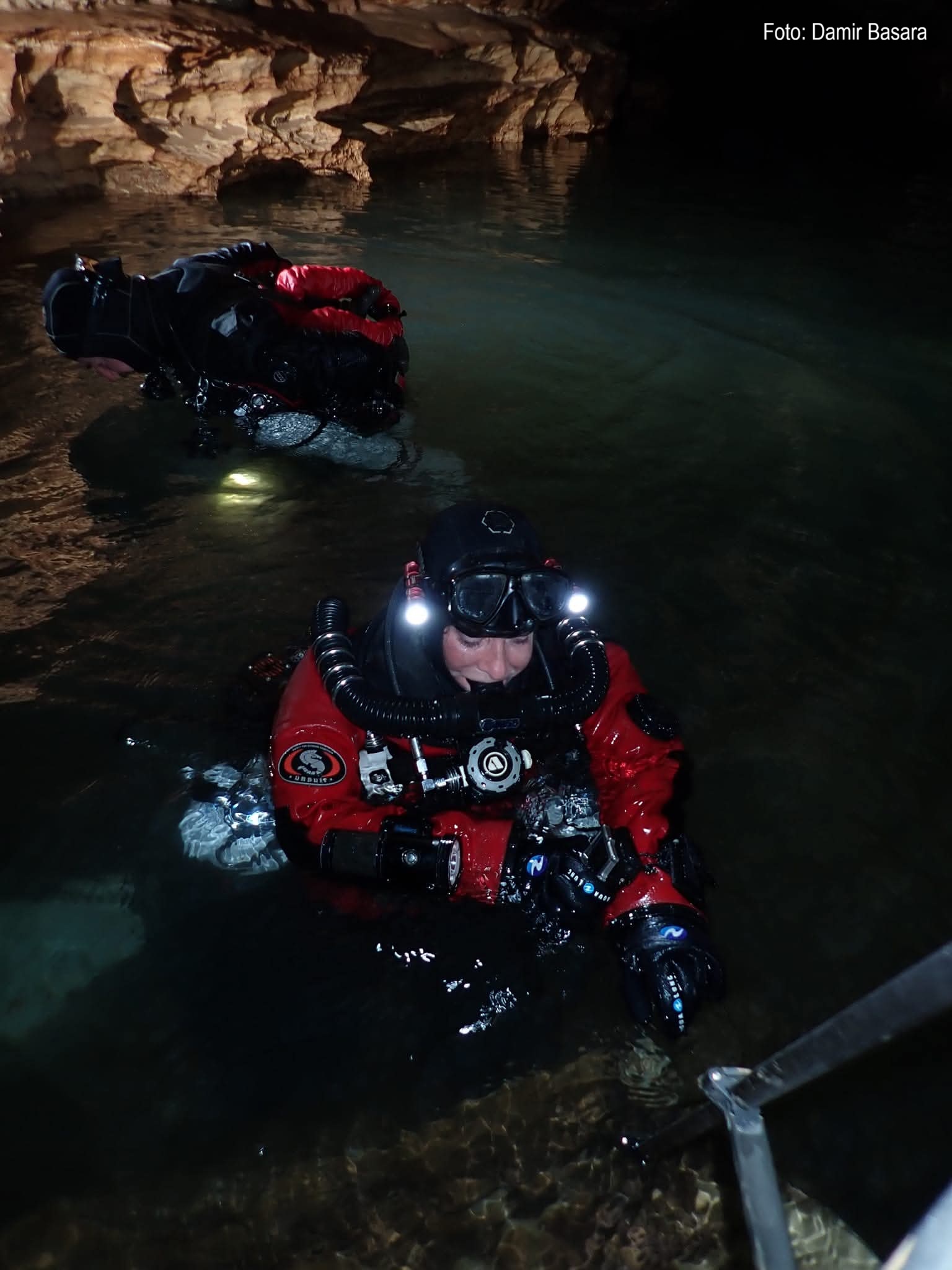
In the scientific journal European Journal of Protistology, a journal has been published describing new species of freshwater foraminifera. The paper entitled “Two new freshwater foraminiferal species (SAR, Rhizaria) from Dinaric karst caves (southeastern Europe)”, is the result of research by a Croatian-Dutch-Swiss team (authors Baković, N., Simensma, F. & Holzmann, M.). The article covers research in the Miljacka II cave, one of the most valuable biospeleological localities in the Park. In this cave, a species new to science has been described – Spirolocammina petrae, the first freshwater agglutinated tubothalamid foraminifer in the world. Miljacka II is the only known locality of this science, making it stenoendemic. It was named in honour of speleodiver Dr. Petra Kovač-Konrad, who participated in the research with other speleologists in exploring and mapping the cave. From the same cave, the foraminifera species Lacogromia MIL has been informally described, and for its formal description, live individuals must be collected. The species from Miljacka II were discovered as part of the project Analysis of dry water periods in the Krka Basin and hydrological elements of ecologically acceptable flows and the effects of extreme drought on ecosystems depending on ground water, financed by the Public Institute of Krka National Park in 2023 and 2024.
Foraminifera are nearly exclusively marine organisms, while the very few freshwater representatives have been very poorly studied. The finding of this species adapted to a freshwater, not to mention underground habitats have made them true evolutionary masters. In the subterranean ecosystems, foraminifera are important regulators of the abundance of other microorganisms. The main feature of the foraminifera is the specific shape of the pseudopods, fake limbs they use to catch prey and for mobility. The pseudopods in foraminifera are called reticulopods, as they look like a large, densely branching network that enables them to be exceptionally successful at capturing bacteria and other microorganisms. In the ecological sense, foraminifera are an important regulator of bacterial populations in ground water, and therefore are excellent cleaners and purifiers of ground water. At the same time, foraminifera are prey for the cave animals. The finding in Krka National Park reminds of just how poorly studied these karst underground habitats are, and of the value of the waters of the Miljacka spring areas, and our responsibility to protect them.
Research
JOŠ NOVOSTI IZ KATEGORIJE
A new cave-dwelling species, the Krka beetle Bryaxis krkensis, has been discovered in the Krka NP
The species was named after the Krka National Park, as it was described on the basis of individuals (males and females) collected in a tufa cave in the area of Bilušića buk, a typical site
Research of Eastern Sub-Mediterranean dry grasslands of the order Scorzoneretalia villosae Kovačević 1959 (NATURA 2000 code 62A0) in Krka NP
Grasslands of the order Scorzoneretalia villosae (NATURA 2000, code 62A0) are a threatened habitat type and their conservation is of both national and European significance
Monitoring organic loading of Visovac and Brljan Lakes
During 2024 and 2025, the Ruđer Bošković Institute conducted research on Visovac and Brljan Lakes
The analysis of water exchange in Visovac Lake and the influence of the lake system on the transformation of runoff
The Krka River is characterized by a marked change in its course between river and lakes, which is a consequence of the growth of tufa barriers